
Boyce Thompson Arboretum
AtoZ Places Bucket Location


Abandoned & Ghost Towns

Ancient Ruins

Caves

Desert

Forest

Historical

Hot Springs

Lakes & Rivers

National & State Parks

Peaks


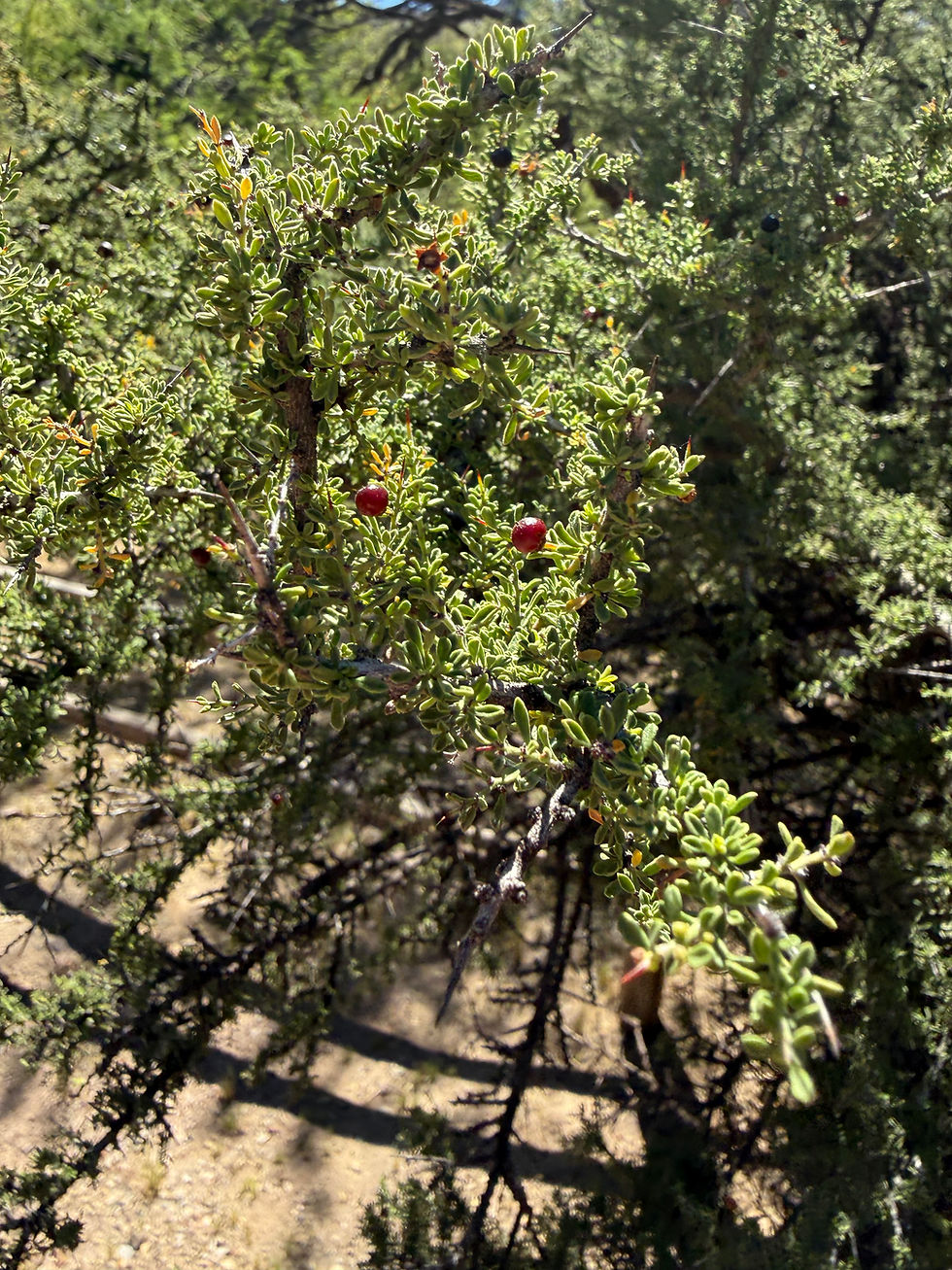


Boyce Thompson Arboretum near Superior, Arizona is the oldest and largest botanical garden in Arizona — a 392-acre living museum of over 12,000 arid-land plants from the deserts of the world, set along Queen Creek at the foot of Picket Post Mountain, with five miles of trails, the historic Clevenger House herb garden, world-class birding, and three nationally accredited plant collections.
Historical
Desert

Wildlife

Exploring

Hiking

FEE: Required

No pets allowed on site
Picnic area with tables
Visitor Center / Gift Shop
Water: Bring your own — limited availability
More Info
Plants Foraged
Barrel Cactus

Nearby Locations
Boyce Thompson Arboretum
Three miles west of Superior on US-60, at the foot of Picket Post Mountain where Queen Creek cuts through the upper Sonoran Desert, one of the finest botanical gardens in the American Southwest has been growing since 1924. Boyce Thompson Arboretum is Arizona's oldest and largest botanical garden — 392 acres of desert landscape planted with over 12,000 plants representing more than 4,000 species from the arid lands of the world. It is also, by reputation, the most enchanting Important Birding Area in Arizona.
We visited March 21, 2026 — Matthew, Luca, and I — walking most of the trail system over the course of the day, learning about the plants, and making some connections between what we were seeing labeled and interpreted at the arboretum and what we had been seeing in the field across years of Arizona outdoor travel.
The Founder — Colonel William Boyce Thompson

Colonel William Boyce Thompson was a copper mining magnate who made his fortune in the early 20th century and chose to spend a significant portion of it on botanical research. He had served with the American Red Cross in Russia during World War I and came away with a deep appreciation for the role plants play in human civilization — as food, medicine, building material, and ecological foundation. He founded the arboretum in 1924 with the specific goal of studying and developing arid-land plants and their potential as usable resources.
The arboretum was incorporated as Arizona's first nonprofit research institution on October 5, 1927, and officially dedicated and opened to the public on April 6, 1929. It remains today what Thompson intended — a research institution, a teaching garden, and a public destination in equal measure. It was for many years an Arizona State Park — a designation withdrawn in 2019 — and is now managed by the nonprofit Boyce Thompson Southwestern Arboretum, Inc.
The Setting — Queen Creek and Picket Post Mountain
The arboretum's setting is its first remarkable feature. Queen Creek runs through the property — a riparian corridor that draws wildlife and supports the lush vegetation along the creek banks in dramatic contrast to the desert slopes above. Picket Post Mountain rises above the arboretum's eastern boundary — a volcanic remnant that gives the landscape its vertical punctuation and provides the backdrop for some of the best photography in the garden.
The microclimate created by Queen Creek's water, the mountain's shelter, and the upper Sonoran Desert elevation creates conditions that allow an extraordinary range of plant species to thrive here — from Australian acacias to South American cacti to African aloes to Mediterranean herbs, all growing within walking distance of each other in a landscape that feels cohesive rather than assembled.
The Trails — Five Miles Through the World's Deserts
Five miles of trails traverse the arboretum — a primary 1.5-mile loop connecting the major exhibit areas, with side trails branching to more specific collections and natural areas. The Chihuahuan Trail, Curandero Trail, and High Trail extend the experience beyond the main loop for those wanting more distance and elevation. Walking everything with stops takes the better part of a day — three hours is the minimum to cover the main trail with any attention paid to the plants.
The eastern section of the trail crosses undeveloped natural desert — plants in their natural state rather than cultivated exhibits. The transition between curated botanical garden and raw Sonoran Desert happens within a few steps and is one of the more instructive moments in the whole visit.

The Collections
The arboretum's 12,000+ plants are organized into geographic collections — each section representing the arid lands of a different part of the world:
Cactus and Succulent Garden — the most comprehensive outdoor cactus collection in Arizona, covering North and South American species in extraordinary variety.
Australian Exhibit — eucalyptus, acacias, and other Australian desert species. The scale of the eucalyptus grove is immediately striking.
South American Exhibit — Andean and Patagonian desert species alongside tropical dry forest plants.
African Exhibit — aloes, euphorbias, and other African desert succulents alongside the iconic baobab-related species.
Mediterranean and California Gardens — species from drought-adapted regions sharing climate characteristics with Arizona.
Sonoran Desert — Native Collection — the native plants of the Sonoran Desert, labeled and interpreted in the context of their ecological roles and relationships.
What We Identified — Connecting the Garden to the Field
One of the most rewarding aspects of visiting Boyce Thompson with a background in field plant identification is the labeled confirmation of plants seen in the wild. On our March 2026 visit we identified three plants at the arboretum that we had been seeing repeatedly in nature without being certain of the identification:
Firecracker Plant (Russelia equisetiformis) — a graceful cascading shrub with narrow green stems and brilliant red tubular flowers that attract hummingbirds. Now confirmed and named — we will recognize it immediately in the field.
Hopseed Bush (Dodonaea viscosa) — a common Arizona desert shrub with distinctive winged seed pods — the "hopseed" — that cluster on the branches. Widely used in landscaping throughout the Phoenix area but also native to the Sonoran Desert. Confirmed and named.
African Sumac (Rhus lancea) — a graceful weeping tree with dark green narrow leaves and small red berries, extremely common in Phoenix Valley landscaping and increasingly naturalized in disturbed desert areas. Confirmed and named.
The arboretum's interpretive labels make it one of the best field identification tools available for Arizona desert plants — a living reference library that clarifies things you've been looking at in the wild and wondering about.
The Clevenger House
The property inherited a two-room stone and mortar homestead built around 1900 — the Clevenger House. Rather than removing it, the arboretum incorporated it into the garden as an herb garden — planting beds of native and southern European culinary, medicinal, and cosmetic herbs surround the historic stone structure. The Clevenger House sits in the canyon section of the garden and provides a tangible historical grounding point in a place that might otherwise feel entirely botanical. The arboretum sits on what was once an active homestead — someone lived here before it became a garden.
Wildlife — Coati, Rabbit, and Cardinal
The arboretum has been identified as the most enchanting Important Birding Area in Arizona — over 210 bird species have been recorded on the grounds. The combination of Queen Creek riparian habitat, desert scrub, and the diverse planted collections creates a habitat mosaic that attracts an exceptional range of species. March is spring migration season — one of the best windows of the year for birding at the arboretum.
On our March 2026 visit we encountered a coatimundi (coati) working the garden — the long-snouted, ringtail-bearing relative of the raccoon native to the sky island ranges of southeastern Arizona and a genuinely exciting sighting in the upper Sonoran Desert location of the arboretum. A rabbit moved through the garden understory. A male Northern Cardinal — brilliant red against the desert-colored background — was one of the more photogenic wildlife moments of the visit.
A Note on the Legends of Superior Connection
The Legends of Superior Trail (LOST) runs adjacent to Boyce Thompson Arboretum on the Queen Creek corridor — the historic Pinal ghost town site and wagon wheel tracks are just down the road. The two locations complement each other naturally as a combined visit — botanical garden in the morning, archaeological history in the afternoon, or vice versa.
More Information
Admission: Adults $15, Seniors $13, Youth (5–12) $8, Children under 5 free — check arboretum.ag.arizona.edu for current pricing
Guided tours available — check current schedule at arboretum.ag.arizona.edu
Birding: 210+ species recorded — Important Birding Area designation
Contact
Boyce Thompson Arboretum
37615 E. Arboretum Way, Superior, AZ 85173
(520) 689-2723
Hours
Open daily 7:00 AM — check current closing time at rboretum.ag.arizona.edu
Closed Thanksgiving and Christmas
#BoyceThompsonArboretum #Superior Arizona #DesertBotanicalGarden #ArizonaPlants #QueenCreek #PicketPostMountain #Birding #AZPlaces #PinalCounty #SonoranDesert #ArizonaGardens #BotanicalGarden #ArizonaBirding #ClevenguerHouse #DesertPlants
Arizona
37615 E Arboretum Way, Superior, AZ 85173, USA

Pinal County
33°16'48.0"N 111°09'32.6"W
Elevation: 2,440 feet
Directions
From Gold Canyon / Apache Junction (US-60 westbound approach):
Head east on US-60 from Gold Canyon through Apache Junction approximately 25 miles. Watch for the arboretum entrance on the left (north) side of US-60 near milepost 223 — approximately 3 miles before the town of Superior.
From Superior, AZ (eastbound approach):
Head west on US-60 approximately 3 miles from downtown Superior. Watch for the arboretum entrance on the right (north) side of US-60 near milepost 223.


Best Seasons & Temperatures
Fall through spring is the ideal season — mild temperatures make the five miles of trails comfortable October through April. March is an excellent visit month — spring wildflowers in bloom throughout the garden and surrounding desert, spring bird migration active, and the desert plants at their most colorful. Summer heat at this elevation is significant — the arboretum opens at 7 AM in summer specifically to allow early morning visits before the heat builds. Bring significant water in any season. The arboretum is open daily year-round except Thanksgiving and Christmas.
Boyce Thompson Arboretum Superior Arizona desert plants Queen Creek Picket Post Mountain botanical garden
March 21, 2026