
Saddle Mountain
AtoZ Places Bucket Location


Abandoned & Ghost Towns

Ancient Ruins

Caves

Desert

Forest

Historical

Hot Springs

Lakes & Rivers

National & State Parks

Peaks


Saddle Mountain near Tonopah, Arizona is one of the Phoenix area's most rewarding BLM dispersed camping destinations — a volcanic mountain range at 2,600 feet in the western Sonoran Desert where rockhounds find chalcedony, fire agate, and quartz crystals on the desert floor, ancient petroglyphs mark the volcanic slopes, spectacular sunsets paint the sky, and javelina, jackrabbit, and ocotillo in bloom complete a classic desert spring experience within an hour of the Valley.
Desert
Ancient Ruins

Wildlife

Camping

Exploring

Hiking

Rockhounding

Camping: Dispersed camping allowed up to 14 consecutive days.

Water: No potable water; pack your own supply.
More Info
Plants Foraged
Creosote Bush

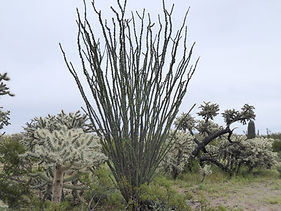
Ocotillo
Prickly Pear

Nearby Locations
Saddle Mountain
We camped two nights here April 6–8, 2024 — and packed more into those two days than most single-destination trips deliver.
The Rockhounding — Chalcedony, Quartz, and Surprises
Saddle Mountain is one of the best-known rockhounding locations within an hour of Phoenix — the volcanic geology of the range creates ideal conditions for chalcedony formation, and the erosion of the desert washes exposes a steady surface supply. You don't need tools to find material here — the desert floor itself is a scatter of white, brown, and translucent stones that catch the eye with every step. More focused rockhounds bring hammers and work the matrix rock on the slopes above.

We found chalcedony and quartz crystals — the quartz specifically discovered on the hike up to the saddle where the elevation and different rock exposures produce larger crystals than the lower desert floor. The north side of the mountain, just east of the petroglyph site, is where chalcedony concentrates on the surface.
We also found what appears to be a pottery piece — a fragment that the desert has been holding since someone was last here. And metallic stones that made us wonder. The volcanic geology of Saddle Mountain does produce iron-rich rocks with a metallic appearance — but the area has also documented meteorite finds, as the flat desert surrounding the mountain is one of the better meteorite strewn fields in western Arizona. If you find something that seems unusual — heavy for its size, metallic surface, different from the volcanic rock around it — it's worth holding on to and having examined.
The Hike to the Saddle
The hike up to the saddle formation is the centerpiece of a Saddle Mountain visit — beginning on trails and roads through the desert floor before transitioning to a moderate scramble up the volcanic slopes. The approach is straightforward until the mountain itself demands attention — loose volcanic rock, narrow path and uneven terrain. The saddle itself is a natural gap between two peaks that funnels the view in both directions and gives the mountain its name. The panorama from the top stretches across the western Sonoran Desert in every direction — the flat desert floor extending to distant mountain ranges.
On our hike up we found quartz crystals concentrated in the exposed rock sections near the saddle — a discovery that makes the climb feel like genuine exploration. We also noticed a cave in the cliff face visible from the saddle — a feature worth checking out on a return visit. The cave is clearly there. It will wait.
The Petroglyphs
A petroglyph site on the slopes of Saddle Mountain offers a glimpse into the people who inhabited this desert before anyone came looking for fire agate. The petroglyphs are on protected BLM land — do not touch or alter the rock art in any way. The location is not formally marked — the trail is informal and finding the site requires some exploration. Worth the effort when you do.
Wildlife — Javelina, Jackrabbit, and the Cholla Warning
We didn't see any javelina during our two nights — but we found their work. A saguaro cactus destroyed by javelina rooting and feeding — the distinctive damage pattern of a pig-sized animal that regards the largest cactus in North America as a food source. Javelina are present and active in this area.
A jackrabbit moved through camp — the long-eared, long-legged desert rabbit that can cover ground at remarkable speed when motivated. The spring desert around Saddle Mountain in April was alive with the kind of animal activity that emerges when temperatures are right and the ocotillo is in bloom.
The spring desert around Saddle Mountain in April delivered the full Sonoran Desert bloom — ocotillo with brilliant red-orange flower clusters at the tip of every stem, brittlebush covering the rocky slopes in yellow, globe mallow in vivid orange along the trail edges, desert marigolds scattered across the flats, prickly pear with its waxy yellow flowers, creosote bush with small yellow blooms fragrant after any moisture, and cholla — beautiful from a distance, consequential up close. The combination of volcanic terrain, low elevation, and spring moisture creates one of the more rewarding desert wildflower displays within an hour of Phoenix when the timing is right.
⚠️ Cholla: The area has significant cholla cactus presence — the barbed spines detach and embed with the lightest contact. Watch every step on the desert floor and keep children and dogs aware. Cholla segments can attach to shoes, pant legs, and dog paws in an instant. Carry two sticks or combs for removal — never use bare hands.
The Sunsets
Two nights of April sunsets at Saddle Mountain — both were exceptional. The western Sonoran Desert at 2,600 feet with no city light interference in that direction produces the kind of sunset that spreads across the entire sky and changes color for 30 minutes after the sun drops. Plan to be at an elevated point on the mountain or in an open area facing west before 6 PM on any spring visit.
The Mystery Stones — Possible Meteorites?
Among our finds were metallic stones that don't read as typical volcanic rock — heavy for their size, different in surface texture, and with a quality that makes you stop and look twice. The flat desert surrounding Saddle Mountain is within the general strewn field of the meteorite finds documented in western Arizona. Volcanic rock from this area can also have iron-rich surfaces that appear metallic. The honest answer is that field identification of meteorites is difficult — the only reliable method is testing. If you find something that feels genuinely different from the rocks around it, keep it separately, note the location, and have it examined. It may be volcanic. It may be something more interesting.
Practical Notes
Saddle Vista Ranch approximately 5 miles away offers dump and water tank services for a fee — a convenient resource for extended stays. The small community of Wintersburg nearby has a general store with bulk propane and basic supplies. A Dollar General in Tonopah covers most camp supply needs.
Cell service is generally strong for major carriers — though high latency from nearby towers can affect streaming despite good signal bars. The Palo Verde Nuclear Generating Station sits several miles away — its lights are visible on the horizon at night, a modern desert landmark of a different kind.
Weekend shooting occurs on the eastern side of the mountain — not uncommon on BLM land and generally respectful per visitor reports, but worth knowing before planning a quiet weekend stay. Weekday visits are significantly more peaceful.
More Information:
Rockhounding: chalcedony, fire agate, and quartz crystals on surface and in matrix — bring hammer, eye protection, and collection bags
Petroglyphs on north slope — protected BLM land, do not touch or alter
Cholla cactus throughout — bring two sticks for spine removal, keep dogs on leash and aware
Saddle Vista Ranch (~5 miles): dump station, water tank fill, trash for fee
Wintersburg General Store: bulk propane, basic supplies
Tonopah: Dollar General and small market for camp supplies
Weekend shooting on eastern side — weekday visits more peaceful
#SaddleMountain #TonopahArizona #DesertAdventure #RockHounding #QuartzCrystals #PetroglyphExploration #CampingInArizona #BeautifulSunsets #DesertBloom #OutdoorExploration
Dispersed Camping

Arizona
FW3V+7W Tonopah, Arizona

Maricopa County
33°27'10.8"N 113°03'18.7"W
Elevation: 2,600 feet
From Phoenix (eastbound I-10 approach):
Head west on I-10 to Exit 94 (Tonopah / 411th Avenue). Take Exit 94 and head south on 411th Avenue approximately 2.6 miles until the road swings left — stay straight to the stop sign. Turn right onto West Salome Highway and follow approximately 5.2 miles west. Turn left onto West Courthouse Road — paved road continues south. After approximately 0.7 miles turn left onto BLM Road 8211 — watch for the BLM kiosk at the turn. Pick up a Friends of Saddle Mountain brochure at the kiosk. Follow BLM 8211 south approximately 1 mile — the road is rocky but passable in most vehicles in dry conditions. The road ends at the dispersed camping area and informal trailhead.
For the Petroglyph Site (separate access):
From West Salome Highway continue past the Courthouse Road turn to approximately 5.3 miles total. Turn left onto West Courthouse Road and follow approximately 2 miles. Turn left onto BLM 8210 and follow 1.5 miles to the petroglyph trailhead. Roads are paved until BLM 8210 — passable by most highway vehicles in dry conditions, rougher near the trailhead.
From Buckeye, AZ:
Head west on I-10 approximately 25 miles to Exit 94. Follow directions above.
Note on roads: Multiple dirt road entrances lead into the BLM camping area from Courthouse Road — the road network is passable for most vehicles including larger RVs in dry conditions. Do not attempt after rain — desert roads become soft and impassable when wet.


Best Seasons & Temperatures
Fall through spring is the ideal season — October through April brings comfortable temperatures for the open desert camping and hiking at Saddle Mountain. April is the sweet spot — ocotillo in full bloom, spring wildflowers on the desert floor, and active wildlife including javelina and jackrabbit. Summer heat at 2,600 feet is extreme — avoid camping June through August. Winter visits are mild and quiet — the best rockhounding light is on cool winter mornings when shadows enhance the color differentiation of chalcedony and fire agate on the desert floor.
Saddle Mountain near Tonopah, Arizona
April 6-8 2024