

Dandelion
✓ Edible
✓ Medicinal

Taraxacum officinale
Plant Family: Asteraceae (Sunflower / Aster / Daisy Family)
Other Names
Common Dandelion, Lion's Tooth, Blowball, Puffball, Clockflower, Priest's Crown, Monk's Head — French: Dent de Lion — Spanish: Diente de León, Amargón — German: Löwenzahn
✓ None
⚠ High
⚠ Moderate
⚠ Low
Leaves (raw, cooked), Flowers (raw, tea, wine, fritters), Roots (roasted coffee substitute, cooked), Flower buds (pickled, cooked), Stems (limited)
Edible Parts


How to Identify
Dandelions get their name from the French dent de lion, meaning lion's tooth, referring to the jagged edges of its leaves. It is probably the most recognizable wild plant in North America — yet surprisingly often overlooked as a food and medicine source.
Size & Form: A low-growing perennial herb with all leaves arising directly from the base in a flat rosette. No true stem — the hollow flowering stalks arise directly from the taproot. Typically 2–18 inches tall when in bloom.
Leaves: Green, in a basal rosette, lanceolate in shape with deeply cut, triangular, reversed lobes. The lobes point backward toward the base of the leaf — like a row of lion's teeth pointing toward the root. Leaves are hairless or nearly so on the upper surface, sometimes hairy below. The central midrib is pale and prominent. All leaves emerge directly from the crown — no stem leaves.
Flowers: The flower heads are up to 1.5 inches across and have bright yellow, strap-shaped rays. Each flower head is a composite of dozens of individual ray florets — what looks like a single flower is actually hundreds of tiny flowers packed together. Each flower head sits atop a single hollow, green, unbranched stalk. The underside of the flower head has green bracts — some of which curve downward, a key identification feature distinguishing Dandelion from similar yellow composites.
Seed Head: Flower heads are followed by feathery, white, spherical seed heads with parachute-like seeds that disperse in the wind. The familiar white "blowball" — one of the most recognizable structures in the plant world.
Root: A deep, thick taproot — tan to brown on the outside, white inside. Can extend 12–18 inches deep. Contains a milky white latex sap that is bitter and sticky.
Milky Sap: Break a leaf or stem — a white milky latex oozes from the break. This latex is present throughout the plant and is a reliable identification feature. Not toxic but bitter.
Look-alike Note: Several plants superficially resemble Dandelion — Cat's Ear (Hypochaeris radicata), False Dandelion (Agoseris spp.), and Hawkweed (Hieracium spp.). True Dandelion is distinguished by its single flower per stalk, hollow stem, backward-pointing leaf lobes, and milky sap. All similar-looking yellow composites in Arizona are edible — none are toxic.
Where and When to Gather
Grassland
Desert
Forest
Habitat: Grows in lawns, gardens, irrigated fields, and riparian areas in the desert and uplands and in grassy areas in the mountains. Extremely adaptable — found wherever there is reasonable moisture and some soil disturbance. Forest clearings, meadow edges, trailheads, roadsides, stream banks, and campgrounds.
Elevation: From the Kaibab Plateau and San Francisco Peaks, to the Mogollon Rim, White Mountains, and Sky Islands, look to high elevations for Wild Dandelion in Arizona. Found from desert to subalpine zones — sea level to over 9,000 feet. Most abundant and best quality at mid to high elevations.
Range in Arizona: Arizona native status: Introduced. This common, naturalized plant is native to Eurasia. Habitat: Desert, Upland, Mountain, Riparian. Found statewide — more abundant at mid to high elevations where moisture is greater. Common in the White Mountains, Mogollon Rim corridor, Flagstaff area, and mountain ranges of southern Arizona.
Note on Status: Dandelion is introduced — not native to North America. Our ancestors brought Dandelions to the New World to be used as food and medicine. Now naturalized across all of North America. Harvesting has no negative impact on native plant communities.
When to Gather:
Leaves: The plant is often harvested when flowering in both spring and fall. Best in early spring before flowering — young leaves are least bitter. Fall leaves also good after first frost which reduces bitterness. Summer leaves are edible but more bitter.
Flowers: Spring through fall — whenever in bloom. Best gathered in the morning when fully open.
Flower buds: Spring — gather tight green buds just before opening for pickling or cooking.
Leaves: The best time to harvest the leaves is actually in spring or early summer before the berries start to form.
Roots: Fall through early spring — highest inulin content in fall. The roots are harvested in the autumn and dried for later use.
Elevation Range: Sea level to 9,000+ feet in Arizona
Seasons
Spring
Dry Summer
Wet Summer
Fall
✓ Seen / Harvested
Dandelion has shown up on multiple trips through Arizona's mid and high elevation forests. At Heber-Overgaard on October 2016 and at West Fork on June 2018 — both classic Dandelion habitats in the ponderosa pine and mixed conifer zones of the Mogollon Rim corridor. The October Heber visit would have caught fall leaves at reduced bitterness after the first cool nights — a good time to harvest greens. The June West Fork visit would have been peak bloom — ideal for flower harvest. Found in other forest areas as well — once you start looking for Dandelion in Arizona's mountain forests you realize it is nearly everywhere there is an opening, a meadow edge, or a moist clearing.
Bear Canyon Lake

Black Canyon Lake

Mogollon Rim — FR 608 (Pine, AZ)
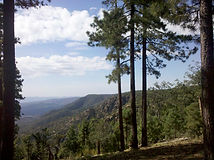
Bear Flat (FR 405)

Black River (Fork Confluence)

Moqui (FR 95)

Bear Springs | Sunny Park (FR 124)

Black River (West Fork)

Mount Graham (Pinaleño Mountains)

Black Canyon (FR 300)

C.C. Cragin Reservoir

Old Rim Road (FR 171)

How to Gather
Dandelion is one of the most beginner-friendly plants to harvest — no spines, no toxic look-alikes, abundant almost everywhere, and harvestable year-round in most Arizona mountain locations.
Leaves:
Select young, fresh leaves from the center of the rosette — these are the least bitter
Older outer leaves are edible but more bitter — best cooked rather than eaten raw
Gather from clean areas — lawns and roadsides are frequently treated with herbicides; never harvest from these
Rinse thoroughly before use
Use fresh or refrigerate for up to a week
Flowers:
Gather fully open flowers in the morning at peak freshness
Pinch the flower head at the base — the green bracts come with it
Use immediately — flowers close quickly after picking and do not store well fresh
For wine and tea: gather in large quantities — you need a gallon of flower heads for dandelion wine
To remove the slightly bitter green base: pinch off just the yellow petals for a milder flavor in cooking
Roots:
Dig in fall or early spring using a digging stick or trowel
The taproot runs deep — work carefully to extract the full root intact
Scrub clean and rinse thoroughly
Use fresh in cooking or slice and dry for roasting as a coffee substitute
Dry at low heat (200°F) until completely desiccated before roasting
Flower Buds:
Harvest tight green buds before they open in spring
Excellent pickled — treat like capers
HOW TO USE
Edible Uses
Every part of the Dandelion is edible. It is one of the most nutritionally dense wild plants available — rich in vitamins A, C, and K, iron, calcium, potassium, and antioxidants.
Leaves: The tender, young leaves are often eaten in salads and blanched or boiled as greens. Young spring leaves are mildly bitter and excellent in salads mixed with other greens. Older leaves cooked in soups, sautéed with garlic and olive oil, or blanched and dressed with lemon — the cooking process reduces bitterness significantly. Rich in iron and potassium — an excellent addition to the diet of people suffering from anaemia.
Flowers: Flowers can be used to make tea, wine, or fritters. Fresh flowers added to salads for color. Battered and fried as fritters — a classic wild food preparation. Steeped as a mild, pleasantly flavored tea. Made into dandelion wine — one of the most traditional wild ferments in North America and Europe.
Roots: The roots can be dried and roasted to make a coffee substitute. Roasted dandelion root produces a dark, rich, slightly bitter drink that genuinely resembles coffee — caffeine-free, prebiotic, and liver-supportive. Also cooked as a root vegetable — boiled, roasted, or added to soups and stews.
Flower Buds: Pickled tight green buds make an excellent caper substitute — tangy, slightly bitter, versatile in cooking. One of the more useful and underrated preparations.
Medicinal Uses
Dandelion (Taraxacum officinale) is an important herbal medicine. It is one of the most studied medicinal plants in the world with a documented history spanning at least 1,000 years across multiple medical traditions.
Primary Active Compounds: Inulin (prebiotic), taraxacin and taraxacerin (bitter sesquiterpenes — liver stimulant), flavonoids, caffeic acids, sterols, vitamins A, C, K, iron, potassium, calcium.
Liver and Gallbladder — Primary Use: The root is a very effective detoxifying herb. It works principally on the liver and gallbladder to help remove waste products. Arabian physicians of the 10th and 11th centuries referred to dandelion to treat liver and spleen ailments. The bitter compounds in Dandelion root stimulate bile production and flow — supporting fat digestion and liver detoxification. One of the most validated traditional uses.
Diuretic: Dandelion functions as a diuretic and has been used in traditional Chinese and Native American medicines for this effect. Leaf is used as a diuretic and to treat high blood pressure by reducing the volume of fluid in the body. Unlike pharmaceutical diuretics Dandelion replaces the potassium lost through increased urination — making it a gentler and more balanced diuretic.
Blood Sugar: Dandelions can help maintain good blood sugar levels. Inulin in the root is a prebiotic fiber that feeds beneficial gut bacteria and helps regulate glucose absorption.
Digestive Health: Bitter compounds stimulate digestive secretions — stomach acid, bile, and pancreatic enzymes. Used for poor digestion, bloating, constipation, and loss of appetite. Traditionally used to treat dyspepsia and heartburn.
Anti-inflammatory / Arthritis: The fruits contain salicylic acid and are beneficial in the treatment of liver and kidney complaints as well as rheumatism and gout. Leaf and root preparations used for arthritic and rheumatic conditions.
Skin Conditions: Beneficial for skin problems such as acne, eczema, and psoriasis. The latex from the stem has been applied topically to warts — an old folk remedy with some anecdotal support.
Blood Purifier: Dandelion is considered to be a blood purifier in popular medicine. Used in traditional blood-cleansing teas and tonics across many cultures.
Traditional Chinese Medicine: TCM uses dandelion, often in combination with other herbs, to treat hepatitis, enhance immune response to upper respiratory tract infections, and bronchitis.
Native American Uses
The Common Dandelion Taraxacum officinale is used for a multitude of purposes by United States indigenous peoples. Although introduced from Europe, it was rapidly adopted by Native peoples who recognized its food and medicinal value.
Iroquois: Cooked and seasoned with salt, pepper or butter. Young plants boiled and eaten as greens. Used to make wine.
Kiowa: Decoction of young leaves taken by women for menstrual cramps. Young leaves used as greens.
Aleut: Poultice of steamed or wilted leaves applied to stomachaches and sore throats.
Menominee: Leaves cooked with maple sap vinegar for a dish of greens.
Meskwaki: Infusion of root taken for chest pain when other remedies fail. Spring leaves used as greens cooked with pork.
Mohegan: Strong infusion of dried leaves taken as a tonic and physic.
Southwest Nations: In native North American medicine, infusions and decoctions of the root and herb were applied to remedy kidney disease, dyspepsia, and heartburn.
General Adoption: Like Mullein, Dandelion was introduced by European settlers and adopted rapidly across dozens of Native American nations — a testament to its obvious and accessible usefulness as both food and medicine.
How to Prepare | Recipes
Dandelion Green Salad
Gather young spring leaves from the center of the rosette before flowering
Rinse thoroughly — spin or pat dry
Tear into bite-sized pieces
Dress with olive oil, apple cider vinegar, a pinch of salt and pepper
Top with crumbled bacon, hard boiled egg, or shaved Parmesan
The slight bitterness pairs perfectly with acid and fat — a classic wild greens preparation
Sautéed Dandelion Greens
Gather young to mid-season leaves — outer leaves acceptable for cooking
Rinse and roughly chop
Heat olive oil in a pan over medium heat
Add 2–3 cloves sliced garlic — sauté 1 minute
Add dandelion greens — toss to coat
Cook 3–5 minutes until wilted and tender
Season with salt, lemon juice, and red pepper flakes
The bitterness mellows significantly with cooking — a nutritious and delicious side dish
Dandelion Flower Tea
Gather freshly opened flowers in the morning
Rinse gently
Steep 1–2 tablespoons fresh flowers (or 1 teaspoon dried) in hot water for 8–10 minutes
Strain and drink warm — mild, slightly sweet, floral flavor
Add honey if desired
Roasted Dandelion Root Coffee
Dig roots in fall — scrub clean and chop into half-inch pieces
Spread on a baking sheet in a single layer
Roast at 300°F for 30–40 minutes — stirring occasionally — until dark brown and fragrant
Cool completely — grind in a coffee grinder or blender
Brew as you would ground coffee — use 1–2 tablespoons per cup in a French press or drip filter
The resulting drink is dark, rich, and slightly bitter — genuinely coffee-like, caffeine free
Add milk and honey to taste
Pickled Dandelion Buds (Caper Substitute)
Gather tight green flower buds before they open — in spring
Rinse and drain
Pack into a small jar
Bring equal parts white wine vinegar and water to a boil with 1 teaspoon salt and 1 teaspoon sugar
Pour brine over buds — fill to the top
Seal and refrigerate — ready in 48 hours
Use anywhere you would use capers — pasta, salads, sauces, fish dishes
Keeps refrigerated for several months
Dandelion Wine
Gather 1 gallon of fully opened flower heads — remove as much green as possible
Bring 1 gallon water to a boil — pour over flowers
Steep 3 days — strain out flowers
Add 3 pounds sugar, juice and zest of 2 lemons and 2 oranges
Stir until sugar dissolves — cool to room temperature
Add 1 packet wine yeast
Transfer to a fermentation vessel with airlock
Ferment 2–3 weeks until bubbling stops
Rack into bottles — allow to age at least 3 months before drinking
A pale golden, floral, lightly sweet wine — a classic of the wild fermentation tradition
Cautions
Never harvest from lawns, roadsides, golf courses, parks, or any area that may have been treated with herbicides or pesticides. This is the most important safety consideration for Dandelion given how commonly these plants grow in treated areas.
Care should be taken as the fruits and leaves can have a negative effect on the skin, gastrointestinal system, or respiratory system of some individuals — a small number of people have contact sensitivity to Dandelion latex. Test on a small area of skin before handling large quantities.
Those with known allergies to plants in the Asteraceae family (ragweed, chrysanthemum, marigold) may react to Dandelion — start with small quantities.
Dandelion has a genuine diuretic effect — those on blood pressure medication or diuretic drugs should consult a healthcare provider before consuming large quantities regularly.
Those with gallstones or bile duct obstruction should use root preparations cautiously — the bile-stimulating effect may cause discomfort.
The milky latex in the stem can stain skin and clothing — wash off promptly.
No toxic look-alikes in Arizona — all similar yellow composite plants in the region are edible.
⚠️ DISCLAIMER This information is provided for educational purposes only. Always positively identify any plant before consuming or using medicinally. When in doubt, do not harvest. Consult a qualified healthcare provider before using any plant for medicinal purposes. Some plants have toxic look-alikes — never rely on a single source for identification. AZ Places and Rachel Joel assume no responsibility for misidentification or misuse.


