
Mogollon Rim — FR 608 (Pine, AZ)
AtoZ Places Bucket Location


Abandoned & Ghost Towns

Caves

Desert

Forest

Historical & Ancient Ruins

Hot Springs

Lakes & Rivers

National & State Parks

Peaks




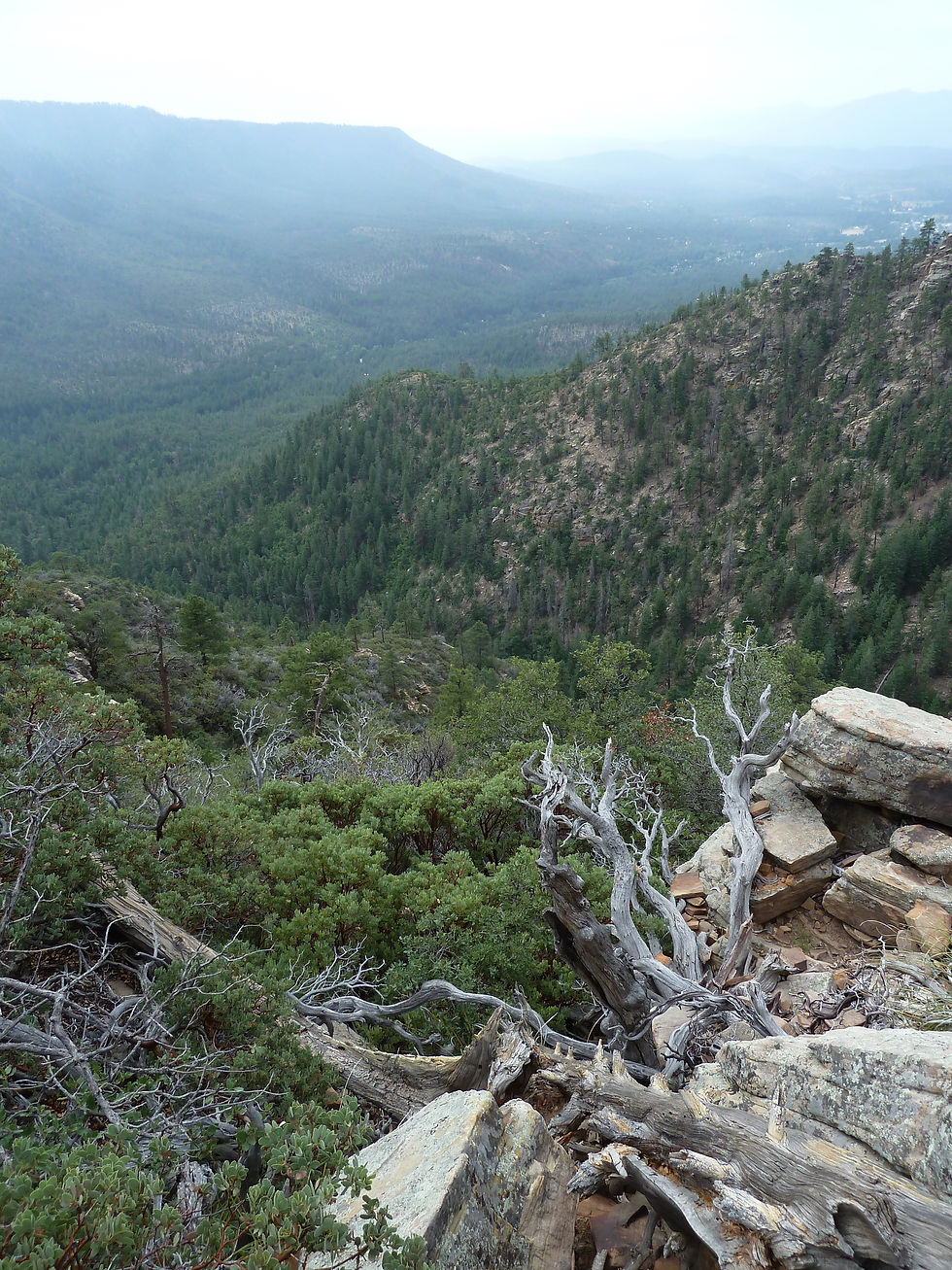







Forest Road 608 on the western Mogollon Rim near Pine, Arizona offers some of the most accessible and rewarding dispersed camping in the Coconino National Forest — rim-edge canyon views, cool ponderosa pine forest at 7,000 feet, wildlife, wildflowers, and classic high-country solitude just 90 minutes from Phoenix.
Forest

Wildlife

Hiking

Exploring

Camping

Camping: Dispersed camping allowed up to 14 consecutive days.

Cell service may be limited — download maps before you go
Fire Restrictions: Check before building any campfire
Pets should remain on leash.
Water: No potable water; pack in your own supply.
More Info
Have you been here?
Nearby Locations
Mogollon Rim — FR 608 (Pine, AZ)
We have been coming to this stretch of the Mogollon Rim since 2011. Four trips over twelve years — August 2011, October 2011, September 2015, and July 2023 — and it still delivers every time. The western Rim near Strawberry is one of those places that becomes a reliable anchor in a camping calendar. Close enough to Phoenix to be easy, far enough in character and elevation to feel like a genuine escape.
Forest Road 608 exits AZ-87 just north of Strawberry and heads south into the Coconino National Forest's Mogollon Rim Ranger District. The road gains elevation quickly and within a short distance you're in ponderosa pine forest at approximately 7,000 feet — a completely different world from the desert below. Dispersed camping begins close to the highway but the farther in you travel the more remote and rewarding the sites become. The roads narrow and roughen the deeper you go — rate these as off-road conditions and plan accordingly.



The Rim — What It Is
The Mogollon Rim is one of Arizona's defining geological features — a dramatic escarpment that stretches approximately 200 miles across the northern half of the state, forming the southern limit of the Colorado Plateau. Along the western Rim near Strawberry, the drop can reach 2,000 feet in places. Views from the rim edge stretch to Four Peaks of the Mazatzals northeast of Phoenix and across the desert canyon country below. The contrast between the pine forest at your back and the open desert dropping away in front of you is one of the more visually striking things in Arizona.


What We Have Seen Over the Years
Twelve years of visits to the same stretch of forest gives you a different relationship with a place than a single trip ever could. Here is what FR 608 has shown us across four visits:
The wildlife list is long — various lizard species including horned lizards working the forest floor, tarantulas encountered in 2011 moving through camp at night, a rattlesnake that same year serving as a useful reminder to watch your step. Bear poop found on multiple visits — this is bear country, treat it as such. Elk sign throughout — claw and antler marks on the trees, bugling in the distance in fall. The marks on the trees from elk are visible on many of the larger ponderosas if you look closely.
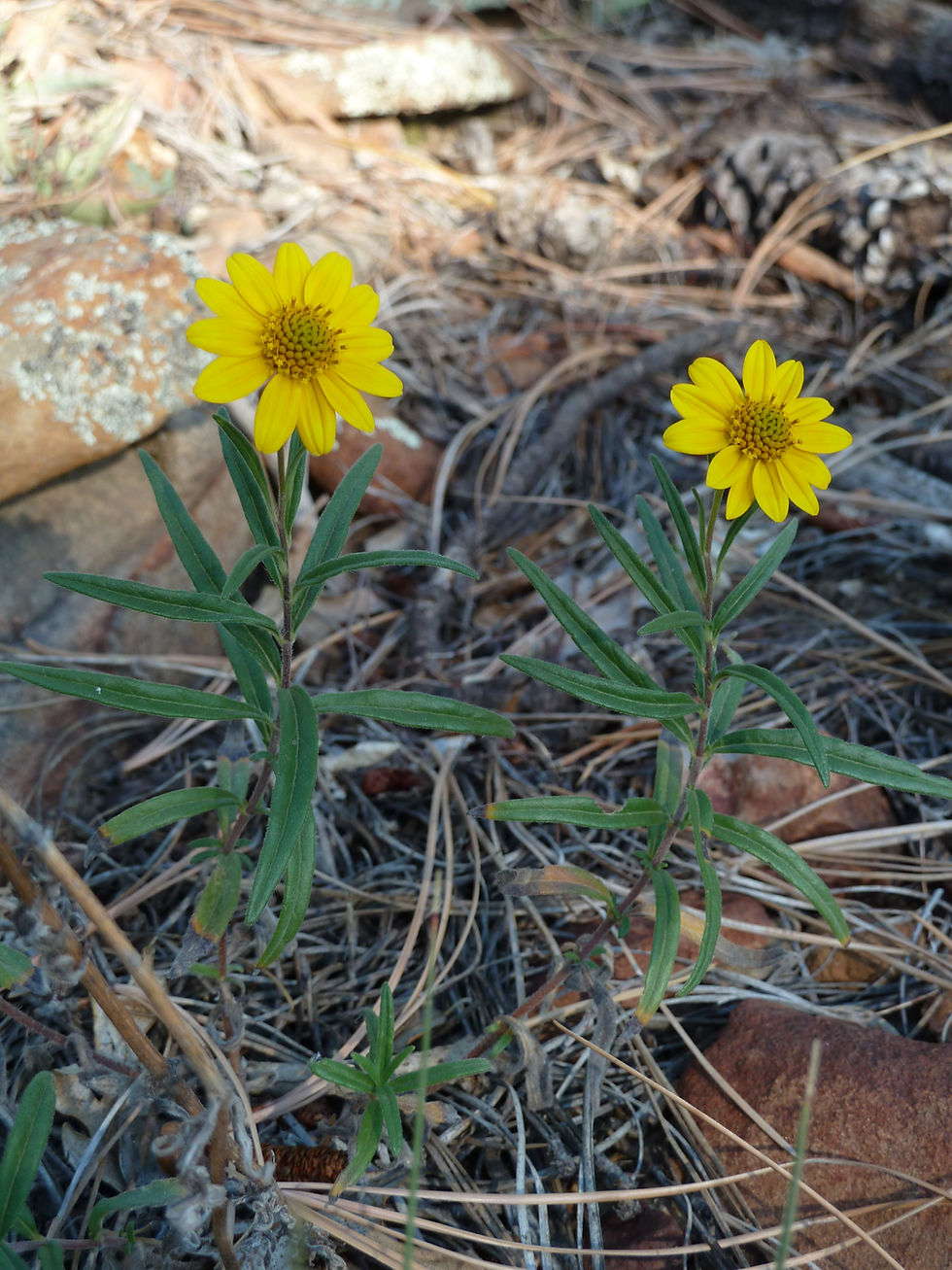
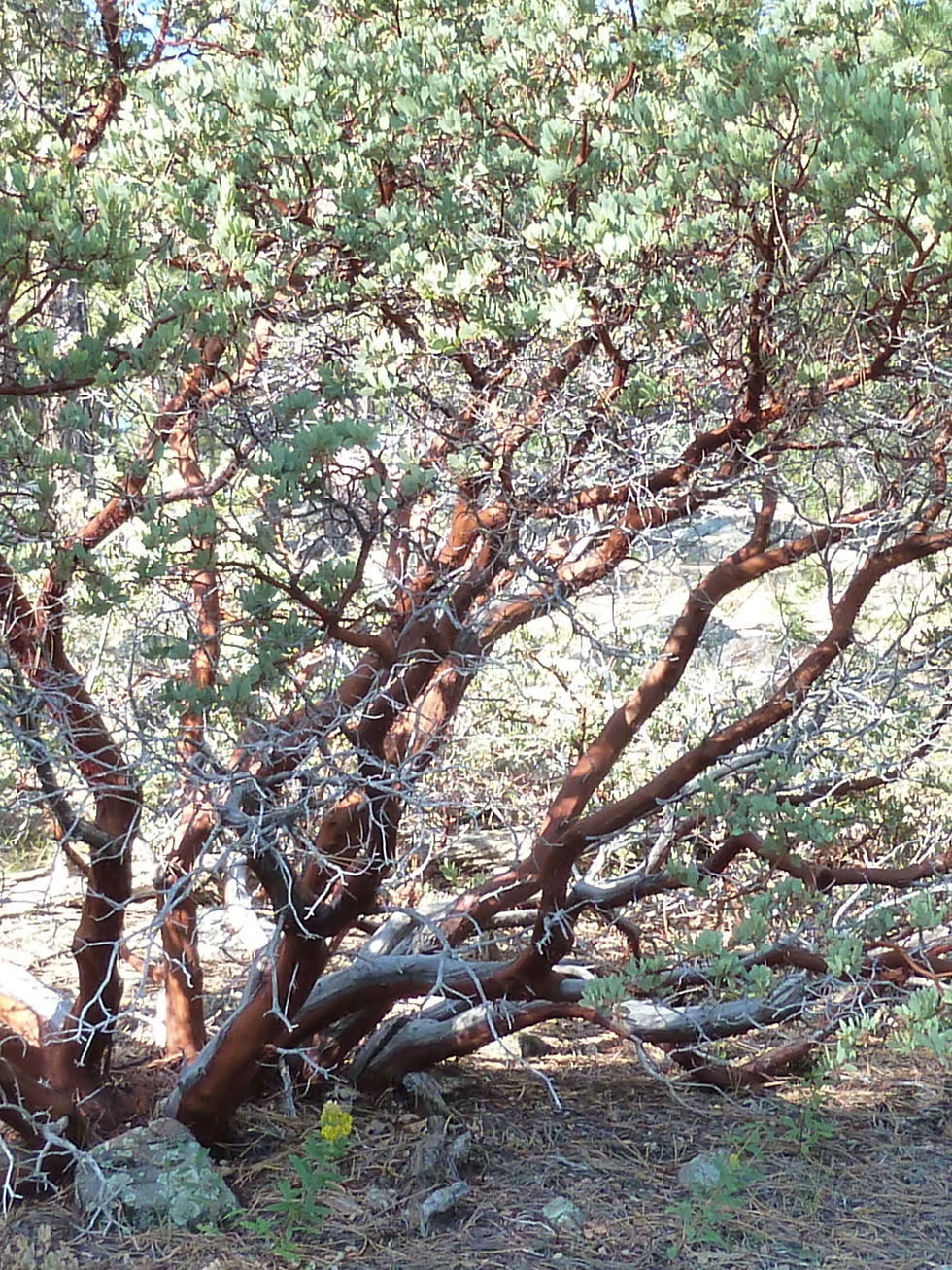
The plant life changes dramatically by season. Berry bushes through the forest — pick and identify carefully. Manzanita on the slopes with its distinctive smooth mahogany bark. Mullein standing tall in the clearings. Indian paintbrush in vivid red along the trail edges. Yellow, red, and white wildflowers carpet the understory after monsoon rains — July and August bring the best bloom. Mushrooms appear in abundance after the monsoon moisture hits the forest floor.


One of the more unexpected finds along FR 608 — clam and other marine fossils in the rock. This entire region was once covered by a shallow inland sea hundreds of millions of years ago. The Colorado Plateau, including the Mogollon Rim, preserves the evidence of that ancient ocean in the limestone layers exposed along the rim edge. Finding a clam fossil at 7,000 feet in a pine forest is one of those moments that reframes where you're standing.
In 2011 we found bags of trash spread throughout the area — a persistent problem on accessible dispersed camping roads. Pack out everything you bring in and more if you can.
Luca's Rock Shelter — 2015 to 2023

In 2015 Luca built a rock shelter at our campsite — a proper structure assembled from the stones available on the forest floor. When we returned in 2023 some of it was still standing. Eight years of weather, snow, and other campers, and pieces of it survived. We have since learned more about Leave-No-Trace principles, we should have restored camp back to its natural state, even if it was a small shelter, it should have been torn down.
FR 608 — Our Camp — July 2023
We settled into the rhythm of the wilderness within hours of arrival. Tried our hand at whittling and displayed our animal trap — engaging in hands-on camp skills that are both practical and satisfying to practice in the field. Soaked in the wildflower blooms along the rim edge, hiked the trails enjoying diverse scenery from the towering pines to the breathtaking canyon vistas below. Birdsong accompanied every step. Back at camp we cooked nachos in the Omnia Oven — a simple and satisfying camp meal — and settled in under a full moon that illuminated the landscape long after dark.
The Omnia Oven

Worth a specific mention for camp cooks — the Omnia Oven is a stovetop oven that sits on a camp stove burner and allows baking without an actual oven. We have used it at FR 608 for nachos and it delivers. If you have not tried camp baking it is worth adding to your kit.
What Changes by Season
Four visits across three different seasons gives us a clear picture of how FR 608 changes throughout the year:
August — peak wildflower season. Cicadas loud and constant. Monsoon afternoons bring thunderstorms that roll through quickly. The forest is green and lush. Mushrooms everywhere after rain. Camp in the trees for shelter from afternoon storms.
October — the forest quiets. Oak leaves turning. Cooler temperatures — jacket weather at night. Far fewer campers than summer. The rim views are exceptional in fall light. Elk are active and audible in the mornings — antler marks fresh on the ponderosas.
September — shoulder season between monsoon and fall. Warm days, cool nights. Wildflowers tapering off. Good light, good weather, good solitude.
July — peak summer escape season. The Rim runs 20–30 degrees cooler than Phoenix. Full moon visibility is exceptional at this elevation without light pollution. Wildflowers and mushrooms at their best after monsoon rains. Expect more campers on weekends — arrive early Friday or camp midweek for the best experience.
Hiking from Camp
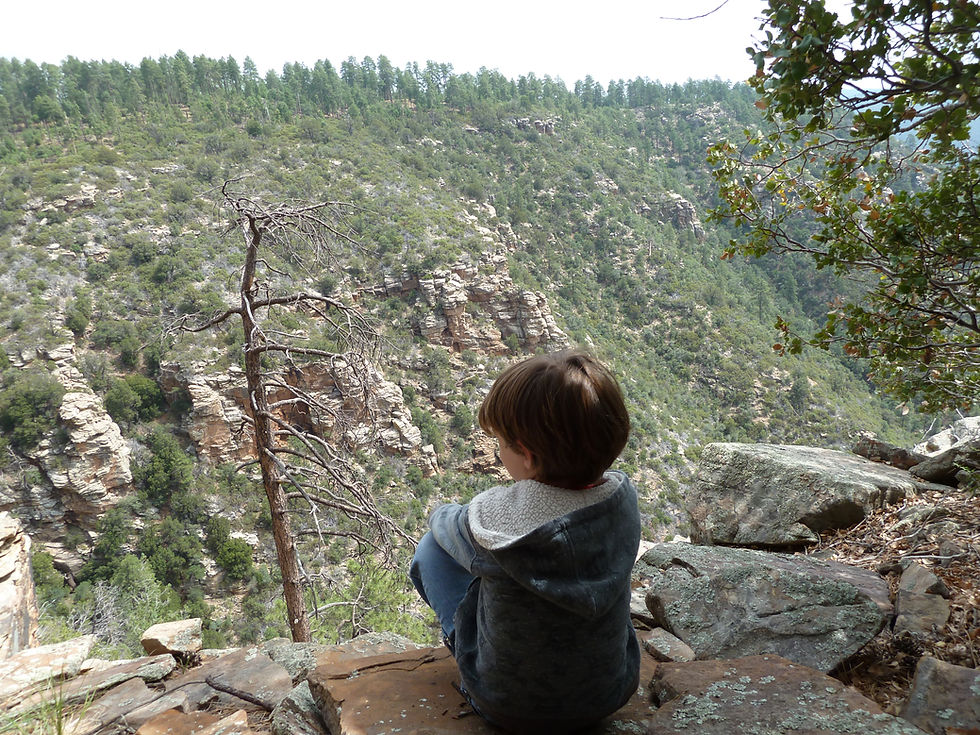
The rim edge itself is the primary destination on foot from FR 608 — walking the edge and looking out over the canyon country below. Various social trails and forest roads branch off in multiple directions offering exploration through the pines without committing to a formal trailhead. The Barbershop Trail system is accessible from this general area for those wanting a longer route through open forest and shallow canyons.
#MogollonRim #FR608 #CoconinoNationalForest #DispersedCamping #PineArizona #ArizonaCamping #RimCountry #MogollonRimRangerDistrict #ArizonaForest #FreeCamping #AZPlaces #PonderosaPine #ArizonaHiking #RimViews #PhoenixEscape
Dispersed Camping

Arizona
Forest Service Rd 608, Strawberry, Arizona 85544
Gila County

34°25'40.7"N 111°27'31.9"W
Elevation: 7,120 feet
Directions
From Strawberry, AZ: Head north through Strawberry on AZ-87 approximately 6.3 miles. Watch for FR 608 on the right side of the highway at coordinates 34°26'29.4"N 111°27'17.6"W. Turn right onto FR 608 and follow south into the Coconino National Forest. Dispersed camping begins within a short distance of AZ-87. The farther in you travel the rougher the roads become — rate these as off-road conditions. Roads are narrow in sections. High clearance recommended.

Mogollon Rim Forest Road 608 dispersed camping Pine Arizona Coconino National Forest
July 2-5 2023 / September 27-30 2015 / October 1-2 2011 / August 13-14 2011