
Hohokam Pima
National Monument
Hohokam Pima National Monument in central Arizona preserves an important archaeological site associated with the Hohokam and Akimel O’odham (Pima) cultures, highlighting prehistoric irrigation, settlement, and trade networks. The site is protected and not open to the public.
Hohokam Pima National Monument
Location & Access
Located in central Arizona, the monument lies on protected lands with restricted access to preserve fragile archaeological resources. It is not accessible for general visitation, guided tours, or recreational activities.
Natural Features
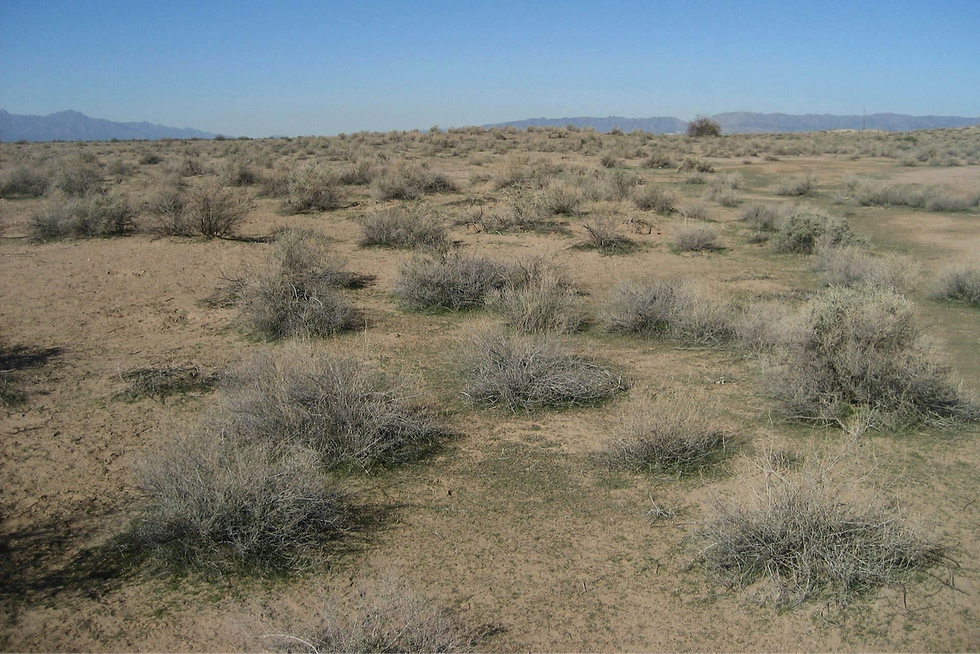
The area includes desert landscapes historically irrigated by the Hohokam, with evidence of canals, fields, and small settlement mounds. Surrounding terrain features typical Sonoran Desert flora and gentle valleys.
Wildlife & Plants
Native desert plants such as mesquite, creosote bush, and cacti dominate the landscape. Wildlife includes desert-adapted species such as jackrabbits, lizards, snakes, and a variety of desert birds. The restricted access helps maintain a relatively undisturbed habitat.
Cultural & Historical Significance
The site preserves Hohokam and Akimel O’odham cultural heritage, including settlement remains, irrigation systems, and artifacts. The monument reflects centuries of agricultural innovation and community life in the desert Southwest. Protection ensures the preservation of these invaluable cultural resources for research and future generations.
Recreation & Visitor Information
Not open to the public. Researchers and authorized personnel may access the site under strict permits. There are no visitor facilities, trails, or interpretive services.
Conservation & Management
The monument is managed by the U.S. Bureau of Land Management (or another appropriate federal/state agency, depending on specific land ownership). Management focuses on archaeological preservation, cultural protection, and habitat conservation, ensuring that the site remains intact and undisturbed.
Location: Central Arizona, USA
Nearest City: Phoenix, AZ (approximate)
Size: Unknown / Restricted
Established: Not publicly specified
Managed by: Federal or state cultural resource agency (protected site)
Website: Not publicly available
Visitation: Not open to the public

AtoZ Bucket Location
View on the Bucket List


