

Thistle
✓ Edible
✓ Medicinal

Cirsium spp. (multiple species) — primary Arizona species: Cirsium neomexicanum (New Mexico / Desert Thistle), Cirsium arizonicum (Arizona Thistle), Cirsium vulgare (Bull Thistle — introduced)
Plant Family: Asteraceae (Sunflower / Daisy Family)
Other Names
New Mexico Thistle, Desert Thistle, Powderpuff Thistle, Arizona Thistle, Bull Thistle, Common Thistle — Spanish: Cardo
✓ None
⚠ High
⚠ Moderate
⚠ Low
Roots (young, first year), Stems (peeled, young), Flower receptacles (cooked), Leaves (spines removed), Seeds (oil)
Edible Parts


How to Identify
Thistles are a diverse group of plants noted for their spiky and impenetrable exteriors. Once you learn the general thistle form you will recognize any species immediately — the challenge is knowing which species you're looking at and whether it's native or introduced.
General Form: Thistles are erect, branching plants ranging from 1–6 feet tall depending on species. The entire plant — stems, leaves, and flower bracts — is armed with spines of varying length and sharpness. The overall impression is of a plant that does not want to be touched.
Leaves: Deeply lobed or divided, with spine-tipped teeth along each lobe. The upper leaf surface is typically green, the underside often lighter or whitish and slightly woolly. Leaves clasp or extend down the stem in most species.
Flowers: The flower heads are the most recognizable feature — a dense, rounded to cylindrical head of tubular florets, typically purple, pink, lavender, or white, emerging from a rounded base covered in overlapping spine-tipped bracts. The flower head resembles a small, spiny version of an artichoke — which is exactly what it is, botanically speaking. Artichoke is a cultivated thistle.
Key Arizona Species:
Cirsium neomexicanum — New Mexico / Desert Thistle: Scattered throughout most of Arizona as well as California, Colorado, New Mexico, Nevada, Utah, and northwest Mexico, residing in multiple habitats — plains, hillsides, washes, roadsides, and even urban alleys. From March to September it produces pink, purple, lavender, or white fragrant and showy flowers up to 3 inches. One of the most commonly encountered thistles in Arizona's lower elevations. Native and non-invasive.
Cirsium arizonicum — Arizona Thistle: Native to the southwestern United States and northwestern Mexico. Found in Arizona, southeastern California, New Mexico, Nevada, Colorado, Utah, Sonora, and northwestern Chihuahua. Found on both rims of the Grand Canyon. Mid to high elevation.
Cirsium vulgare — Bull Thistle (Introduced): A large, aggressive, non-native thistle that has become widespread across North America. Despite its fearsome appearance and reputation as a noxious weed, it is one of the most valuable edible thistles available to foragers. Its thick taproot, succulent young stems, and edible flower receptacles make it a genuine multi-part food plant. Harvest freely — removing it benefits native plants.
Where and When to Gather
Grassland
Desert
Forest
Habitat: Extremely adaptable — plains, hillsides, washes, roadsides, and even urban alleys. Found from desert scrub to mountain meadows, forest clearings, disturbed ground, and canyon bottoms.
Elevation: Sea level to approximately 9,000 feet in Arizona depending on species. Native Arizona thistles span the full elevation range of the state.
Range in Arizona: Statewide — the majority of North American species are found in the southwestern states, particularly California and Arizona. Over 60 native species exist in North America. Multiple species are present in virtually every Arizona county.
When to Gather:
Roots: Fall through early spring of first-year plants — before the flowering stalk emerges. Before the flowering stalks emerge the taproots of young first-year plants can be dug up — tender and can be eaten raw or chopped and added to soups or stews. Hike Arizona
Stems: Spring — harvest stalks when they are only about 1 to 2 feet high. Beyond about 2 feet high the stalks are too fibrous and tough to eat.
Flower Receptacles: Early summer — flower heads appear in summer and receptacles are harvested just before full bloom.
Leaves: Spring — young, tender leaves before spines harden fully
Elevation Range: Sea level to 9,000 feet depending on species
Seasons
Spring
Dry Summer
✓ Seen / Harvested
Harvested and boiled the roots on FR 230B east of Apache Maid, September 2026. Roots did not soften — possible that the roots need longer cooking time, a different preparation method, or were harvested at the wrong stage of growth.
I than learned that Thistle roots are generally best harvested in fall or early spring when the plant's energy is stored in the roots rather than in above-ground growth. Roots harvested during active above-ground growth in summer and early fall tend to be more fibrous and tougher. Roasting before boiling breaks down the fibrous structure more effectively than boiling alone. Worth trying again in a different season or with a different preparation.
Apache Trail (Davis Wash)

Chiricahua Mountains

Moqui (FR 95)

Black River (Fork Confluence)

Happy Jack (FR 81)
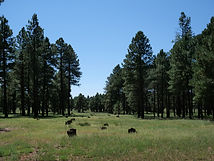
Old Rim Road (FR 171)

Black River (West Fork)

Jacks Canyon (FR 230)

Robbers Roost — Hideout Cave

C.C. Cragin Reservoir

Mogollon Rim — FR 608 (Pine, AZ)
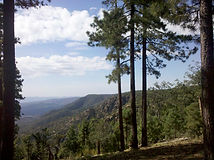
Walnut Canyon National Monument

How to Gather
Heavy gloves and long sleeves are essential. Thistle spines are sharp, rigid, and penetrate skin easily. Eye protection is recommended when working around tall, dry thistles where spines can break off and become airborne.
Roots:
Locate first-year rosettes in fall or early spring — low-growing, flat to the ground, no flowering stalk yet
Use a digging stick or trowel — dig deeply to extract the full taproot
Brush off soil and rinse thoroughly
Peel outer layer if desired — the inner root is the tender edible portion
Eat raw or cook
Stems:
Select young stems 1–2 feet tall in spring
Cut at the base with a knife while wearing gloves
Peel all spiny outer layers completely — work from the top down
The inner stem is tender, mild, and slightly juicy — mild celery-like taste and crunch azutopia
Eat raw immediately or cook
Flower Receptacles:
Harvest flower heads just before full bloom — when bracts are still tightly packed
Trim away spiny bracts and cook the exposed base — the receptacle beneath the florets is the edible portion, like a small artichoke heart GJ Hikes
Use scissors or a knife to trim carefully while wearing gloves
Leaves:
Young spring leaves before spines fully harden are most manageable
Fold leaf in half lengthwise and strip the spiny margins with a knife
The midrib and de-spined leaf surface can be eaten cooked
HOW TO USE
Edible Uses
All thistle species are edible — a safe and easily recognisable plant for foraging beginners. The challenge is not identification but preparation — getting past the spines to the food inside.
Roots: Their texture has been described as crisp and crunchy with an almost nutty flavor. The root has a similar taste to burdock root — can be cooked by adding to a stew or soup. Young first-year roots can be eaten raw. Older roots are best cooked.
Stems: Stalks can be peeled and eaten fresh or as a cooked vegetable. Mild celery-like taste and crunch — can be added into a salad or soup, pickled, or boiled and served as a side dish. One of the most accessible thistle foods — gather in spring when stems are young and tender.
Flower Receptacles: The base of the young flower head can be plucked and cooked — it resembles a mini artichoke and can be used in a recipe in much the same way. Steam or boil and serve with butter or olive oil.
Seeds: Thistle seeds contain a nutritious oil. Historically pressed or ground — labor intensive but documented.
Medicinal Uses
Thistle was used as an astringent, anti-inflammatory, and also steeped with water to create a drink that soothes sore throats.
Milk Thistle (Silybum marianum) — The Medicinal Superstar: While not the same genus as Arizona's wild thistles, Milk Thistle deserves mention here because it is widely naturalized across Arizona and is the most medicinally significant thistle in the world. Its active compound silymarin is one of the most studied liver-protective substances in herbal medicine — used for liver disease, hepatitis, mushroom poisoning, and liver detoxification. Widely available as a supplement.
Arizona Native Thistles — Medicinal Uses:
Leaf and flower tea: astringent, anti-inflammatory — used for sore throats and mouth inflammations
Root decoction: used by various Native peoples for digestive complaints and as a tonic
Poultice of crushed leaves: applied to skin irritations and minor wounds
Zuni use: Cirsium ochrocentrum used medicinally by the Zuni according to ethnobotanical records from 1915.
Native American Uses
Thistles were used across virtually every Native culture within their range — as food, medicine, and material.
Navajo: Used thistle roots and stems as food. Leaf poultice applied for skin conditions. Tea made from leaves and flowers for throat complaints.
Zuni: Documented medicinal use of Cirsium ochrocentrum recorded in ethnobotanical studies.
Apache: Young stems eaten raw as a trail food — peeling the spine-covered outer layer to reach the tender inner stem was a well-known survival skill.
Hopi: Thistle seeds used as a food source. Flower heads consumed as a vegetable.
Multiple Nations — Fiber Use: Thistle down — the silky fibers attached to seeds — was used by several nations as insulation, tinder, and padding in clothing and bedding.
Wildlife Value: Worth noting for your audience — thistles are one of the most important wildlife plants in Arizona. Goldfinches, house finches, and other birds depend heavily on thistle seeds. Butterflies including painted ladies use thistles as larval host plants. Bees and hummingbirds work the flowers heavily. Most southwestern native thistles including the New Mexico thistle are non-aggressive and non-invasive.
How to Prepare | Recipes
Peeled Thistle Stems — Raw or Cooked
Select young stems 1–2 feet tall in spring — wear thick gloves
Cut stem at base with a knife
Firmly grip the top of the stem with gloved fingers
Peel the outer spiny layer downward in strips — like peeling a tough stalk of celery
Continue until all spiny material is removed — the inner stem is pale, smooth, and tender
Eat raw immediately — mild, slightly juicy, celery-like flavor
Or slice and sauté in butter with garlic and salt — serves well as a side vegetable
Add to soups or stews in the last 10 minutes of cooking
Thistle Root — Roasted
Locate first-year rosettes in fall or early spring — no flowering stalk present
Dig deeply with a trowel to extract the full taproot
Scrub clean and peel outer layer if desired
Slice into rounds
Toss with olive oil, salt, and pepper
Roast at 400°F for 20–25 minutes until tender and slightly caramelized
Nutty, slightly sweet flavor — similar to salsify or burdock root
Thistle Flower Receptacles — Steamed
Harvest flower heads just before full bloom — wear gloves
Use scissors to trim all spiny bracts from the base of the flower head
What remains is the fleshy receptacle — the artichoke-like base
Steam 15–20 minutes until tender
Serve with melted butter, lemon, or vinaigrette
The flavor is mild and pleasant — similar to artichoke heart
Sore Throat Tea
Gather a small handful of thistle leaves and flowers in spring
Rinse well — use tongs to handle
Steep in boiling water for 10–15 minutes covered
Strain well through a fine mesh strainer
Add honey and lemon
Used traditionally as an astringent, anti-inflammatory throat soother
Cautions
Spines are the primary hazard — sharp, rigid, and penetrating. Heavy leather gloves and long sleeves are essential for all harvesting. Eye protection recommended around dry thistles.
Harvest only from clean sites away from herbicide-treated areas. Thistles along roadsides and agricultural edges are frequently sprayed — never harvest from these locations.
Roots contain inulin which gives some people digestive problems — start with small quantities of root and assess tolerance before consuming larger amounts.
Know your species — distinguish native Arizona thistles from introduced invasives before deciding how much to harvest.
No toxic look-alikes — thistles are distinctive and not easily confused with toxic plants.
Do not harvest from protected lands without a permit.
⚠️ DISCLAIMER This information is provided for educational purposes only. Always positively identify any plant before consuming or using medicinally. When in doubt, do not harvest. Consult a qualified healthcare provider before using any plant for medicinal purposes. Some plants have toxic look-alikes — never rely on a single source for identification. AZ Places and Rachel Joel assume no responsibility for misidentification or misuse.


