


Arizona's WildLife
"Where the Wild Things Roam"


Rock Squirrel
Otospermophilus variegatus


Look on rocks in morning and late afternoon
The rock squirrel (Otospermophilus variegatus) is a large ground squirrel notable for its bushy tail and robust size, growing up to 21 inches in length. Commonly seen perched on rocks, cliffs, and canyon walls, it is one of the most visible and recognizable squirrels in Arizona. Rock squirrels inhabit rocky slopes, steep hillsides, and canyon environments where they forage for seeds, fruits, nuts, and vegetation. They are diurnal and highly alert, often using elevated vantage points to watch for predators. Their social behavior includes vocal warnings and tail signaling to communicate with nearby squirrels. As an adaptable species, rock squirrels play an important role in their ecosystem by dispersing seeds and providing prey for larger predators while adding lively activity to Arizona’s rocky landscapes.
Mammal

Identification & Behavior
Key Features: Rock squirrels have a molted gray coloration on the upper body, with a mix of brown and white on the underside. They are notable for their bushy tail.
Size: 16–21 in, 1–3 lbs
Behavior: Lives in burrows, climbs well, very vocal
Diet: Rock squirrels are primarily herbivores, feeding on leaves, stems, seeds, acorns, and fruits. They will also occasionally eat insects and small vertebrates for additional protein.
Activity Pattern: Diurnal: Rock squirrels are active during the day, especially in the morning and late afternoon.
Habitat & Distribution
Found statewide in rocky terrain, cliffs, canyons, and semi-arid woodlands, including Grand Canyon, Mogollon Rim, and Verde Valley cliffs. Present in Coconino, Prescott, and Tonto National Forests.
Elevation Range: 2,000–7,000 ft
Seasonal Presence: Year-round
Risks & Management
Do not feed – can bite and carry diseases
Fun Fact: They can stand upright and use alarm calls.

Abert's Squirrel
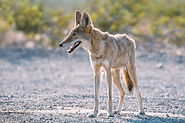
Coyote

North American Porcupine

Black Bear

Gray Fox

Ringtail

Cliff Chipmunk

Mexican Gray Wolf

Rock Squirrel

Coatimundi

Mountain Lion

Rocky Mountain Elk

Coues White-tailed Deer

Mule Deer

Wild Horse