


Arizona's WildLife
"Where the Wild Things Roam"


Wild Horse
Equus ferus caballus


Watch from a distance with binoculars, common near water sources
Wild horses in Arizona are feral descendants of domesticated horses that have adapted to life in the wild. They are most often found in open meadows, forested clearings, and riparian valleys where food and water are available. Living in family groups called bands, each herd is usually led by a stallion and includes mares, foals, and younger horses. These animals rely on grasses, shrubs, and seasonal plants for forage and depend on rivers, streams, or natural springs for water. Social, alert, and highly mobile, wild horses are frequently observed grazing in groups or moving quietly through ponderosa pine forests and grasslands. Though not native to Arizona, they have become an iconic part of its natural landscape and are valued as a living symbol of resilience and the untamed spirit of the American West.
Mammal

Identification & Behavior
Key Features: Long mane and tail, solid muscular build, hoofed feet
Size: Height 4–5 ft at shoulder; 700–1,200 lbs
Behavior: Live in herds with strong social bonds led by a dominant mare
Diet: Grasses, shrubs, forbs
Activity Pattern: Diurnal
Habitat & Distribution
Found in northern and central Arizona on dispersed public lands, grasslands, and desert foothills. Frequently seen along forest roads, mesas, and open plains near Coconino, Kaibab, and Apache-Sitgreaves National Forests.
Elevation Range: 3,000 – 8,500 ft
Seasonal Presence: Year-round
Risks & Management
Do not approach; can be unpredictable and protective of foals
Wild horses can travel up to 20 miles per day searching for food and water.

Abert's Squirrel
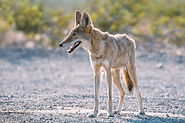
Coyote

North American Porcupine

Black Bear

Gray Fox

Ringtail

Cliff Chipmunk

Mexican Gray Wolf

Rock Squirrel

Coatimundi

Mountain Lion

Rocky Mountain Elk

Coues White-tailed Deer

Mule Deer

Wild Horse